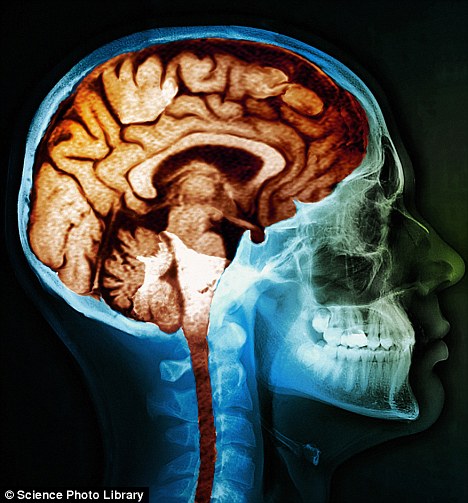
Brain Evolution in the News

Saturday, 31 December 2011

Chimpanzees consider their audience when communicating


http://www.bbc.co.uk/nature/16305600
at 06:27
Email ThisBlogThis!Share to XShare to FacebookShare to Pinterest
Labels: ape, chimpanzee, social behavior

Wednesday, 28 December 2011

‘How to Think Like a Neandertal’ — By Thomas Wynn and Frederick L. Coolidge — Review


http://tinyurl.com/bthtbjk
at 21:02
Email ThisBlogThis!Share to XShare to FacebookShare to Pinterest
Labels: archaeology, hominin, human, Neanderthal

Friday, 23 December 2011

Genes Play Major Role in Primate Social Behavior, Study Finds


http://tinyurl.com/d99kyb9
at 22:40
Email ThisBlogThis!Share to XShare to FacebookShare to Pinterest
Labels: genetics, primate, social behavior

Pigeons Can Learn Higher Math, Study Finds


http://tinyurl.com/d2owuzh
at 09:02
Email ThisBlogThis!Share to XShare to FacebookShare to Pinterest
Labels: bird, cognition, learning

Thursday, 15 December 2011

A whole new meaning for thinking on your feet


http://www.physorg.com/news/2011-12-feet.html
at 13:14
Email ThisBlogThis!Share to XShare to FacebookShare to Pinterest
Labels: arthropod, cognition, locomotion

Wednesday, 14 December 2011

Compared to Neanderthals, modern humans have a better sense of smell


http://tinyurl.com/c7ljd35
at 22:50
Email ThisBlogThis!Share to XShare to FacebookShare to Pinterest
Labels: fossil, hominin, human, Neanderthal, olfaction, sensory

Tuesday, 13 December 2011

'Language gene' speeds learning


http://www.nature.com/news/language-gene-speeds-learning-1.9395
at 14:27
Email ThisBlogThis!Share to XShare to FacebookShare to Pinterest
Labels: genetics, language, learning, mammal

Monday, 12 December 2011

Genetic basis of human cortical regionalization similar to patterns found in other mammals, MRI study affirms


http://www.news-medical.net/news/20111117/Genetic-basis-of-human-cortical-regionalization-similar-to-patterns-found-in-other-mammals-MRI-study-affirms.aspx
at 09:57
Email ThisBlogThis!Share to XShare to FacebookShare to Pinterest
Labels: genetics, mammal

Friday, 9 December 2011

Study Finds the Key to Language: How Humans Form Sentences


Shttp://www.livescience.com/17225-study-finds-key-language-humans-form-sentences.html
at 12:46
Email ThisBlogThis!Share to XShare to FacebookShare to Pinterest
Labels: human, language

Wednesday, 7 December 2011

Human brain evolution traced to gene activity


http://www.cosmosmagazine.com/news/5059/how-human-brain-and-cognitive-abilities-evolved#.Tt9mejlLrLw.blogger
at 13:14
Email ThisBlogThis!Share to XShare to FacebookShare to Pinterest
Labels: chimpanzee, genetics, human, primate

Tuesday, 6 December 2011

Chimp brains may be hard-wired to evolve language


http://www.newscientist.com/article/dn21242-chimp-brains-may-be-hardwired-to-evolve-language.html
at 23:01
Email ThisBlogThis!Share to XShare to FacebookShare to Pinterest
Labels: ape, language, synesthesia

How do we humans fuel our big brains?


http://www.msnbc.msn.com/id/45230351/ns/technology_and_science-science/#.Tt3dH0pmiVI
at 09:16
Email ThisBlogThis!Share to XShare to FacebookShare to Pinterest
Labels: energetics, human, primate, size

Friday, 2 December 2011

Don't assume that feces-tossing chimp's a dummy


http://www.cbsnews.com/8301-205_162-57334036/dont-assume-that-feces-tossing-chimps-a-dummy/
at 18:22
Email ThisBlogThis!Share to XShare to FacebookShare to Pinterest
Labels: chimpanzee, language

Wednesday, 23 November 2011

Synesthesia Smells Like Evolution: The Benefit of Tasting Colors


http://motherboard.tv/2011/11/23/synesthesia-smells-like-evolution-the-benefit-of-tasting-colors
at 16:27
Email ThisBlogThis!Share to XShare to FacebookShare to Pinterest
Labels: human, synesthesia

Baby apes' arm waving hints at origins of language


http://www.newscientist.com/article/dn21152-baby-apes-arm-waving-hints-at-origins-of-language.html
at 16:16
Email ThisBlogThis!Share to XShare to FacebookShare to Pinterest
Labels: ape, development, language, paedomorphism

Tuesday, 22 November 2011

Young apes talk with hands


Baby apes' arm waving hints at origins of language
at 21:04
Email ThisBlogThis!Share to XShare to FacebookShare to Pinterest
Labels: ape, development, language, paedomorphism

Saturday, 19 November 2011

Brain de novo


Late Bloomers: "New" Genes May Have Played a Role in Human Brain Evolution
at 23:20
Email ThisBlogThis!Share to XShare to FacebookShare to Pinterest
Labels: genetics, human, molecular biology

Wednesday, 2 November 2011

Young genes in young humans


New Genes, New Brain
at 10:10
Email ThisBlogThis!Share to XShare to FacebookShare to Pinterest
Labels: development, genetics, human, primate

Sunday, 30 October 2011

Right handedness left for something


Why are most people right-handed?
at 12:18
Email ThisBlogThis!Share to XShare to FacebookShare to Pinterest
Labels: hominin, human, laterality

Thursday, 6 October 2011

The Fossil Chronicles


Evolutionary clues from ancestors' brains?
at 13:03
Email ThisBlogThis!Share to XShare to FacebookShare to Pinterest
Labels: fossil, hominin, Homo floresiensis, human

Monday, 1 August 2011

Human Brain Aging Special


Brain Shrinkage: It's Only Human
at 21:44
Email ThisBlogThis!Share to XShare to FacebookShare to Pinterest
Labels: aging, hominin, human

Thursday, 14 July 2011

Relative hemispheres


Peking man differing from modern humans in brain asymmetry
at 09:24
Email ThisBlogThis!Share to XShare to FacebookShare to Pinterest
Labels: endocast, fossil, hominin, human

Monday, 11 July 2011

Illusions and brain organization


Brain trades off illusion-spotting and introspection
at 13:10
Email ThisBlogThis!Share to XShare to FacebookShare to Pinterest
Labels: cognition, human, organization, vision

Tuesday, 14 June 2011

Brains shrink (still)


Scientist record decrease in human brain size
at 22:46
Email ThisBlogThis!Share to XShare to FacebookShare to Pinterest
Labels: brain size, diet, genetics, human

Monday, 23 May 2011

Growth gene NDE1


Single Gene Linked to Evolution of Human Brain
at 23:00
Email ThisBlogThis!Share to XShare to FacebookShare to Pinterest
Labels: brain size, development, genetics, human

Friday, 20 May 2011

LAMC3 role for occipital sulci

Gene responsible for the unique development of human brains is 'discovered'
at 05:30
Email ThisBlogThis!Share to XShare to FacebookShare to Pinterest
Labels: genetics, human

Origin of Consciousness


Digging into our consciousness
at 05:16
Email ThisBlogThis!Share to XShare to FacebookShare to Pinterest
Labels: consciousness, human

Big Brains Smell


In Evolution of Brains, Sense of Smell Came First
at 05:08
Email ThisBlogThis!Share to XShare to FacebookShare to Pinterest
Labels: diet, genetics, mammal, olfaction, sensory, size

Tuesday, 26 April 2011

Small Yet Modern Hominin Brain


Four Individuals Caught in 'Death Trap' May Shed Light on Human Ancestors
at 18:06
Email ThisBlogThis!Share to XShare to FacebookShare to Pinterest
Labels: endocast, fossil, hominin

Thursday, 31 March 2011

Quick Changes to Prefrontal Metabolism


Evolution of cognition might be down to brain chemistry
at 10:17
Email ThisBlogThis!Share to XShare to FacebookShare to Pinterest
Labels: ape, genetics, molecular biology

Brainy Mammals Wean Later


Longer Breast-Feeding May Be Key to Bigger Brains
at 10:09
Email ThisBlogThis!Share to XShare to FacebookShare to Pinterest
Labels: diet, mammal, size

Deletions related to penis spines and brains


Why humans have big brains but don't have whiskers or penises with spines
at 10:06
Email ThisBlogThis!Share to XShare to FacebookShare to Pinterest
Labels: ape, genetics
Newer Posts Older Posts Home
Subscribe to: Posts (Atom)

Brain Evolution Vodcast - Vimeo

Look who's talking too: convergent evolution of complex vocal communication in animals from Brain Evolution Vodcast on Vimeo.

Brain Evolution Vodcast - Youtube


more vodcasts

More on Brain Evolution

  • European Network for Brain Evolution website
  • European Network for Brain Evolution listserv
Follow @BrainEvolutionN
Follow @eurnetbrainevor.bsky.social

Blog List

  • Nutcracker Man
    Superarcaicos: la huella molecular de Homo erectus y su posible relación con los denisovanos - Cuando en publicaciones de trabajos genómicos se habla de grupos humanos superarcaicos, el pensamiento siempre se me va a Homo erectus, esperando (y desean...
    1 day ago
  • paleoneurology
    The music of the body - Brain evolution and the evolution of music are two “sexy” topics, so the evolution of the musical brain is definitely an attractive field of research. Musi...
    1 week ago
  • The Neurocritic
    Human brain is NOT two separate organs - A terrible headline on a press release made its way through social media the other day, misleading thousands of people. *Human brain is two separat...
    1 month ago
  • The Skull Box
    Cranial topology of the sauropodomorphs - We have just published a study in which we have shifted our focus to investigating the cranial topology of dinosaurs (Schuurman, Bruner & Knoll, 2026). The...
    3 months ago
  • How to Think Like a Neandertal
    How to Best Understand Dictators, Autocrats, and Bullies - Personality disorders may be the best way to understand dictators, autocrats, and bullies, rather than labeling them crazy, mad, psychotic, fanatical, dera...
    10 months ago
  • Scientists Say...
    ...decapitated male mantises are better are preventing rematings. - https://link.springer.com/article/10.1007/s00265-024-03500-4
    1 year ago
  • How We Do It
    HIV and AIDS: Tracking a Sexually Transmitted Virus - Tree-building methods developed by evolutionary biologists revealed the origins and spread of HIV. Two types arose in Africa, one from chimpanzees and one ...
    5 years ago
  • The Thoughtful Animal
    Gratitude: Uniquely Human or Shared with Animals? - If we wish to make an argument that some animals possess at least some sort of proto-gratitude, or the cognitive building blocks required for them to feel ...
    8 years ago
  • Science: Neurophilosophy | guardian.co.uk
    Gut bacteria regulate nerve fibre insulation - Research suggests that gut bacteria may directly affect brain structure and function, offering new ways to treat multiple sclerosis and psychiatric condi...
    10 years ago
  • Nucleo di ricerca evoluzione cerebrale e paleoneurologia
    Neuropausa - Signori, dopo attenta considerazione (o supposta tale) a distanza di otto anni e 189 post dal lancio del blog Neuro@ntropologia, sentiamo l´esigenza di fer...
    10 years ago
  • Neuroanthropology
    Pervez Hoodbhoy and Scott Atran on hope and extremism - By Profs. Pervez Hoodbhoy and Scott Atran After he circulated his address to the UN Security Council on extremism (available here), Prof. Scott Atran recei...
    11 years ago
  • Lives of the Brain
    Creativity, the Brain, and Evolution - Psychologists have studied creativity for decades, developing a variety of tests to assess creativity and creative potential in individuals. Using these te...
    16 years ago

Labels

human fossil brain size genetics primate size hominin mammal bird development cognition language intelligence Neanderthal social behavior animal molecular biology ape vision diet arthropod neuron chimpanzee domestication insect endocast carnivore fish cephalopod health cerebral cortex cetacean dinosaur energetics catarrhine sensory archaeology laterality learning organization vertebrates navigation olfaction rodent tool use aging atlas cell biology elephant Homo brain cell types dog network neuroimaging trade-off book review climate consciousness genomics memory behavior ctenophore seasonality sex vocal learning audition corvid culture dexterity ecology emotion hand marsupial octopus taphonomy theory of mind Homo erectus Homo floresiensis artificial intelligence bee cerebellum database executive function gorilla music neurons outreach sleep technology temperature vocalization Australopithecus Homo ergaster Homo naledi autism bat bonobo cancer cercopithecoid childbirth computation connectomics decision making epigenetics experiment extinct glia insects locomotion mammals mollusc neurotransmitter paedomorphism personality reptile slime mold synesthesia ungulate action potential allometry artificial rewiring biophysics birds blood cephalochordate cnidarian echolocation empathy flexibility fossils hemichordate history humans immunohistochemistry magnitude microbiome pain pallium pathology physiology placozoan predation sponges squamata taste topographic

Blog Archive

  • ►  2026 (33)
    • ►  November (6)
    • ►  October (11)
    • ►  September (8)
    • ►  June (1)
    • ►  April (4)
    • ►  March (1)
    • ►  February (1)
    • ►  January (1)
  • ►  2025 (18)
    • ►  December (1)
    • ►  October (3)
    • ►  September (4)
    • ►  May (1)
    • ►  April (2)
    • ►  March (3)
    • ►  February (3)
    • ►  January (1)
  • ►  2024 (16)
    • ►  November (8)
    • ►  October (1)
    • ►  September (2)
    • ►  July (1)
    • ►  May (1)
    • ►  April (1)
    • ►  March (2)
  • ►  2023 (30)
    • ►  December (3)
    • ►  November (3)
    • ►  October (1)
    • ►  September (1)
    • ►  July (2)
    • ►  June (6)
    • ►  May (1)
    • ►  March (4)
    • ►  February (5)
    • ►  January (4)
  • ►  2022 (23)
    • ►  December (2)
    • ►  October (1)
    • ►  September (3)
    • ►  August (2)
    • ►  July (1)
    • ►  June (4)
    • ►  May (3)
    • ►  April (3)
    • ►  March (3)
    • ►  February (1)
  • ►  2021 (37)
    • ►  November (8)
    • ►  October (3)
    • ►  September (2)
    • ►  July (2)
    • ►  June (3)
    • ►  May (3)
    • ►  April (8)
    • ►  March (5)
    • ►  February (3)
  • ►  2020 (43)
    • ►  November (3)
    • ►  October (4)
    • ►  September (6)
    • ►  August (5)
    • ►  July (5)
    • ►  June (3)
    • ►  April (6)
    • ►  March (2)
    • ►  February (3)
    • ►  January (6)
  • ►  2019 (28)
    • ►  December (2)
    • ►  November (2)
    • ►  October (2)
    • ►  September (2)
    • ►  August (3)
    • ►  July (1)
    • ►  June (4)
    • ►  May (3)
    • ►  April (2)
    • ►  March (1)
    • ►  February (2)
    • ►  January (4)
  • ►  2018 (43)
    • ►  December (3)
    • ►  November (3)
    • ►  October (9)
    • ►  September (5)
    • ►  August (1)
    • ►  July (1)
    • ►  June (8)
    • ►  May (5)
    • ►  April (3)
    • ►  February (3)
    • ►  January (2)
  • ►  2017 (40)
    • ►  November (5)
    • ►  October (7)
    • ►  September (6)
    • ►  July (2)
    • ►  June (5)
    • ►  May (5)
    • ►  April (5)
    • ►  March (1)
    • ►  January (4)
  • ►  2016 (26)
    • ►  October (3)
    • ►  September (6)
    • ►  July (2)
    • ►  June (4)
    • ►  May (2)
    • ►  March (6)
    • ►  February (2)
    • ►  January (1)
  • ►  2015 (27)
    • ►  December (1)
    • ►  November (4)
    • ►  October (3)
    • ►  September (3)
    • ►  August (2)
    • ►  July (1)
    • ►  May (5)
    • ►  April (1)
    • ►  March (3)
    • ►  February (3)
    • ►  January (1)
  • ►  2014 (65)
    • ►  December (6)
    • ►  November (4)
    • ►  October (7)
    • ►  September (2)
    • ►  July (4)
    • ►  June (1)
    • ►  May (7)
    • ►  April (5)
    • ►  March (12)
    • ►  February (9)
    • ►  January (8)
  • ►  2013 (48)
    • ►  November (3)
    • ►  October (7)
    • ►  September (6)
    • ►  July (5)
    • ►  June (3)
    • ►  May (2)
    • ►  April (8)
    • ►  March (7)
    • ►  February (4)
    • ►  January (3)
  • ►  2012 (44)
    • ►  December (6)
    • ►  November (4)
    • ►  October (8)
    • ►  September (5)
    • ►  July (1)
    • ►  June (4)
    • ►  May (5)
    • ►  April (1)
    • ►  March (5)
    • ►  February (5)
  • ▼  2011 (36)
    • ▼  December (13)
      • Chimpanzees consider their audience when communica...
      • ‘How to Think Like a Neandertal’ — By Thomas Wynn ...
      • Genes Play Major Role in Primate Social Behavior, ...
      • Pigeons Can Learn Higher Math, Study Finds
      • A whole new meaning for thinking on your feet
      • Compared to Neanderthals, modern humans have a bet...
      • 'Language gene' speeds learning
      • Genetic basis of human cortical regionalization si...
      • Study Finds the Key to Language: How Humans Form S...
      • Human brain evolution traced to gene activity
      • Chimp brains may be hard-wired to evolve language
      • How do we humans fuel our big brains?
      • Don't assume that feces-tossing chimp's a dummy
    • ►  November (5)
      • Synesthesia Smells Like Evolution: The Benefit of ...
      • Baby apes' arm waving hints at origins of language
      • Young apes talk with hands
      • Brain de novo
      • Young genes in young humans
    • ►  October (2)
      • Right handedness left for something
      • The Fossil Chronicles
    • ►  August (1)
      • Human Brain Aging Special
    • ►  July (2)
      • Relative hemispheres
      • Illusions and brain organization
    • ►  June (1)
      • Brains shrink (still)
    • ►  May (4)
      • Growth gene NDE1
      • LAMC3 role for occipital sulci
      • Origin of Consciousness
      • Big Brains Smell
    • ►  April (1)
      • Small Yet Modern Hominin Brain
    • ►  March (6)
      • Quick Changes to Prefrontal Metabolism
      • Brainy Mammals Wean Later
      • Deletions related to penis spines and brains
    • ►  January (1)
  • ►  2010 (46)
    • ►  December (3)
    • ►  November (1)
    • ►  October (1)
    • ►  September (4)
    • ►  August (4)
    • ►  July (7)
    • ►  June (2)
    • ►  May (3)
    • ►  April (7)
    • ►  March (14)

Search This Blog

Subscribe To

Posts
Atom
Posts
All Comments
Atom
All Comments

Total Pageviews

Translate

Awesome Inc. theme. Powered by Blogger.